Introduction
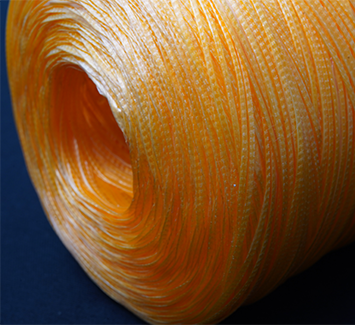
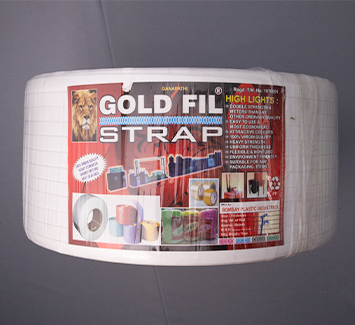
PP strap rolls, also known as polypropylene strapping, are the workhorses of the packaging industry. These versatile and cost-effective straps offer dependable security for a wide range of applications. This comprehensive guide delves into everything you need to know about PP strap rolls, from understanding their uses to choosing the right size and thickness according to your needs.
What is a PP Strap Used For?
PP straps are incredibly versatile and can be used for various packaging and securing tasks. Here are some of their most common applications:
- Palletizing: PP straps are ideal for securing goods on pallets during transportation and storage. They prevent them from shifting or toppling over, minimizing the risk of damage.
- Bundling: PP straps effectively bind together individual packages or items, making them easier to handle and transport.
- Reinforcement: They can be used to reinforce boxes, crates, and other containers, providing additional support and protection.
- Securing Oversized Items: PP straps are perfect for securing large or irregularly shaped objects like furniture, appliances, and machinery during transport.
- Waste Management: They can be used to bundle and secure recyclable materials for efficient collection and transportation.
What Size are PP Strap Rolls?
PP straps come in various widths and gauges, typically ranging from 5mm to 19mm in width. The choice of size largely depends on the weight and security needs of the package. For lightweight bundles, narrower straps may suffice, whereas heavier or bulkier loads generally require wider straps for enhanced stability. The width of the strap is directly proportional to its strength and load-bearing capacity, which is crucial for ensuring the safety and integrity of packaged goods during handling and shipping.
Width:
Narrow (9mm – 12mm): Ideal for lightweight items, bundling products, and reinforcing smaller boxes.
Medium (15mm – 19mm): Suitable for securing medium-weight goods on pallets and bundling heavier items.
Wide (25mm and above): Designed for heavy-duty applications like securing large pallets, machinery, and oversized objects.
Thickness:
Light Duty (0.5mm – 0.7mm): Suitable for light to medium- weight applications and bundling.
Medium Duty (0.8mm – 0.9mm): Offers increased strength for securing medium-weight pallets and packages.
Heavy Duty (1.0mm and above): Ideal for heavy-duty applications like securing large pallets, machinery, and oversized objects.
Which PP is Safe?
PP straps are made from polypropylene, a safe and stable plastic that is resistant to most chemicals, making it suitable for various environments and applications. It does not react with water, detergents, acids, or bases, ensuring that it does not degrade or lose strength when exposed to these elements. Moreover, PP is considered a safe material as it does not contain harmful toxins, making it suitable for use in industries that require strict hygiene standards such as food and pharmaceuticals.
- Choosing the Right Size: Overloading or using straps that are too thin for your application can lead to breakage, potentially causing damage or injury.
- Proper Tensioning: Tools like strapping tensioners are essential for achieving the ideal amount of tension on the strap. Over-tensioning can damage the strap, while under-tensioning can compromise the security of your load.
- Handling with Care: Avoid sharp edges or objects that could cut or damage the straps.
- Safe Disposal: PP straps are recyclable, but it’s crucial to check with local recycling facilities for proper disposal procedures.
What is the Thickness of a Strap Roll?
As mentioned earlier, the thickness of a PP strap roll varies depending on its intended use. Here’s a quick recap:
- Light Duty Straps (0.5mm – 0.7mm): These are the thinnest options, ideal for lightweight applications like bundling and reinforcing smaller packages.
- Medium Duty Straps (0.8mm – 0.9mm): Offering a medium level of thickness, these are suitable for securing medium-weight pallets and packages.
- Heavy Duty Straps (1.0mm and above): The thickest type, these provide the most robust security for heavy-duty applications like securing large pallets and machinery.
What is the Difference Between PP and PET Strapping?
While both PP and PET (polyethylene terephthalate) are commonly used strapping materials, they have some key differences:
- Strength: PET straps generally offer higher tensile strength compared to PP straps. This makes them ideal for securing exceptionally heavy loads.
- Cost: PP straps are generally more cost-effective than PET straps.
- Elongation: PP straps have a higher elongation percentage, meaning they can stretch slightly under pressure before breaking. This can be beneficial for absorbing impacts during transport. PET straps have a lower elongation percentage, providing a tighter and more secure hold.
- Environmental Impact: Both PP and PET are recyclable, but PP straps typically have a lower environmental footprint due to their lower production costs.
Choosing Between PP and PET Straps:
Here’s a quick guide to help you decide which type of strap
is best for your needs:
Use PP straps:
For securing light to medium-weight loads.
When cost is a significant factor.
If your application requires some flexibility in the strapping material.
When environmental impact is a major concern.
Use PET straps:
For securing very heavy loads that require exceptional strength.
When a tighter and more secure hold is crucial.
If your application involves potential sharp edges or objects that could damage PP straps.
Additional Considerations When Choosing PP Strap Rolls
Beyond size, thickness, and material type, here are some additional factors to consider when selecting PP strap rolls:
- Breaking Strength: This refers to the amount of force a strap can withstand before breaking. Choose a strap with a breaking strength exceeding the weight of your load to ensure secure transport.
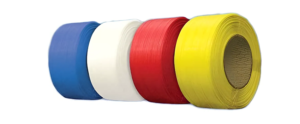
- Color: PP straps come in various colors, including black, white, and even custom colors. While color doesn’t affect functionality, it can be helpful for branding or identifying specific types of packages.
- Surface Finish: Some PP straps have an embossed finish that improves grip and reduces slippage. This can be beneficial for securing uneven or smooth surfaces.
- Weather Resistance: If your shipments will be exposed to extreme weather conditions, opt for straps with UV protection to prevent degradation.
Conclusion
PP strap rolls offer a reliable and cost-effective solution for securing your shipments. By understanding the different sizes, thicknesses, and considerations discussed in this comprehensive guide, you can choose the ideal PP strap rolls for your specific needs. Remember to prioritize safety by selecting the right size, applying proper tension, and handling the straps with care. With these factors in mind, PP straps can ensure your goods arrive at their destination safely and securely.