As consumer demand for sustainable and comfortable products continues to grow, manufacturers are constantly seeking innovative techniques to meet these criteria. In the realm of cot production, plastic wire weaving has emerged as a promising solution that combines durability with eco-consciousness. By leveraging modern technology and design principles, manufacturers are able to produce cots that not only provide optimal comfort for users, but also boast a lower environmental footprint.
In this article, we will delve into the world of plastic wire weaving and explore how it is revolutionising the production of comfortable and sustainable cots. We will discuss the benefits of this technique, including its ability to create lightweight yet sturdy cots that are ideal for both indoor and outdoor use. Additionally, we will examine the design considerations that go into creating these innovative cots, and how manufacturers are adapting to meet the evolving needs of consumers in search of environmentally friendly and comfortable sleeping solutions.

Benefits of using plastic wire in cot weaving
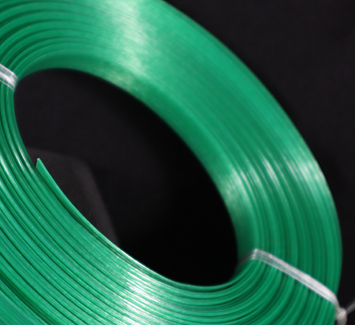
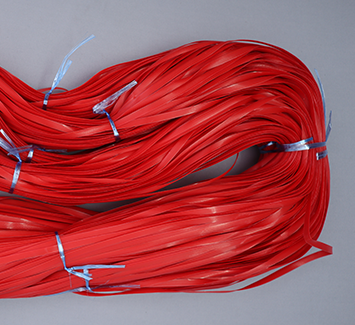
Plastic wire weaving has revolutionised the cot manufacturing industry, offering a wide range of benefits that make it an ideal choice for creating comfortable and sustainable cots. One of the major advantages of using plastic wire in cot weaving is its durability and strength. Plastic wire is known for its resilience and ability to withstand wear and tear, making it a long-lasting material for cot construction. This ensures that the cots made with plastic wire are sturdy and can hold up to regular use over an extended period of time.
Additionally, plastic wire is highly flexible, allowing for intricate weaving patterns that enhance the comfort and aesthetics of the cots. The flexibility of plastic wire also enables cot manufacturers to create designs that cater to the specific needs and preferences of their customers, resulting in a wide variety of styles and sizes to choose from. This ensures that consumers can find a cot that suits their individual tastes and requirements.
Another key benefit of using plastic wire in cot weaving is its lightweight nature. Unlike traditional materials such as wood or metal, plastic wire is significantly lighter, making it easier to move and transport cots as needed. This is particularly advantageous for parents who may need to move the cot from room to room or take it on the go when travelling. The lightweight nature of plastic wire also makes assembly and disassembly a breeze, simplifying the process of setting up and storing the cot when not in use.
Furthermore, plastic wire is a sustainable material that aligns with the growing trend towards eco-friendly products. By using recycled plastic in cot weaving, manufacturers can reduce their carbon footprint and contribute to environmental conservation efforts. This eco-friendly approach not only benefits the planet but also appeals to environmentally conscious consumers who are seeking sustainable options for their baby products.
In addition to its durability, flexibility, lightweight nature, and sustainability, plastic wire also offers excellent breathability and ventilation. This is crucial for promoting air circulation within the cot, creating a comfortable sleeping environment for babies. Proper ventilation helps prevent overheating and ensures that infants can sleep soundly and safely throughout the night.
Overall, the benefits of using plastic wire in cot weaving are clear. From its durability and flexibility to its lightweight nature, sustainability, and breathability, plastic wire offers a multitude of advantages that make it an excellent choice for creating comfortable and sustainable cots. By incorporating plastic wire into their cot designs, manufacturers can provide parents with high-quality products that prioritise safety, comfort, and style for their little ones.
Challenges in traditional cot weaving methods
Traditional cot weaving methods have been used for generations to create comfortable and durable cots. However, these methods often come with a number of challenges that can impact the quality and sustainability of the final product.
One of the main challenges with traditional cot weaving methods is the limited flexibility in design. These methods typically involve weaving rigid plastic wires in a straightforward pattern, which can result in a stiff and uncomfortable sleeping surface. This lack of flexibility can also limit the customization options available to customers, making it difficult to create cots that meet individual preferences and needs.
Another challenge with traditional cot weaving methods is the use of non-sustainable materials. Many traditional cot weaving techniques rely on plastic wires that are made from non-renewable resources, such as petroleum. This not only contributes to environmental degradation but also raises concerns about the long-term availability of these materials. In addition, the production and disposal of plastic wires can have a significant impact on local ecosystems and communities.
In addition, traditional cot weaving methods often require a high level of manual labour, which can be both time-consuming and costly. The process of weaving plastic wires by hand can be intricate and labour-intensive, requiring skilled artisans to carefully craft each cot frame. This can also lead to inconsistencies in the final product, as human error and variations in technique can result in uneven tension and weak spots in the weave.
Furthermore, traditional cot weaving methods can be limited in terms of durability and longevity. The use of plastic wires in these methods can result in cots that are prone to breaking, snapping, or deteriorating over time. This can lead to frequent repairs or replacements, which can be both time-consuming and expensive for manufacturers and customers alike.
Overall, the challenges with traditional cot weaving methods highlight the need for innovation and advancement in this industry. By exploring new techniques and materials, we can create cots that are not only comfortable and sustainable but also durable, customizable, and cost-effective. With the right approach, we can overcome these challenges and create cots that meet the needs and expectations of modern consumers.
Incorporating comfort features in plastic wire cots
When it comes to designing cots for babies, comfort is a crucial factor that cannot be compromised. With advancements in plastic wire weaving technology, manufacturers are now able to incorporate innovative features that enhance the comfort and sustainability of cots.
One of the key ways comfort is integrated into plastic wire cots is through the use of soft and breathable materials. The plastic wire used in the weaving process is carefully selected to ensure that it is gentle on the baby’s delicate skin. This not only provides a comfortable surface for the baby to sleep on but also reduces the risk of skin irritation and discomfort.
Another important aspect of comfort in plastic wire cots is the inclusion of ergonomic design elements. Manufacturers carefully consider the shape and structure of the cot to ensure that it provides optimal support for the baby’s body. This includes features such as a slightly inclined surface to prevent acid reflux, and rounded corners to prevent injuries.
In addition to comfort, sustainability is also a key focus in the design of plastic wire cots. By using recycled materials in the weaving process, manufacturers are able to reduce waste and lessen the environmental impact of production. This commitment to sustainability not only benefits the planet but also ensures that the cots are safe for use by babies.
Furthermore, the durability of plastic wire cots ensures that they can be used for multiple children, making them a sustainable investment for parents. The high-quality materials used in the weaving process result in cots that are built to last, withstanding the wear and tear of daily use.
To enhance the comfort of plastic wire cots, manufacturers also incorporate features such as adjustable height settings and breathable mesh panels. These elements allow parents to customise the cot to meet their baby’s specific needs, whether it be providing extra ventilation during hot summer nights or ensuring that the cot is at a comfortable height for easy access.
Overall, the incorporation of comfort features in plastic wire cots is a testament to the dedication of manufacturers to providing safe and comfortable sleeping solutions for babies. By utilising innovative weaving techniques and sustainable materials, these cots offer a level of comfort and support that is unmatched in the industry.
Eco-friendly aspects of plastic wire cots
Plastic wire cots have been revolutionising the furniture industry with their innovative design and sustainable features. One of the key aspects that sets plastic wire cots apart from traditional cots is their eco-friendly nature. These cots are made from recycled plastic wire materials, which not only helps in reducing waste but also promotes a more sustainable approach to furniture manufacturing.
By utilising recycled plastic wire materials, plastic wire cots are able to reduce the demand for new plastic production, which in turn helps in decreasing the amount of plastic pollution in our environment. This eco-friendly approach not only benefits the planet but also contributes to a more sustainable future for generations to come.
In addition to using recycled materials, plastic wire cots are also designed to be long-lasting and durable, which helps in reducing the need for frequent replacements. This means that fewer cots end up in landfills, further reducing the environmental impact of furniture disposal. The durability of plastic wire cots also ensures that they can withstand wear and tear, making them a sustainable investment for consumers.
Another eco-friendly aspect of plastic wire cots is their low carbon footprint compared to traditional wooden cots. The manufacturing process of plastic wire cots requires less energy and resources, which results in lower greenhouse gas emissions. This makes plastic wire cots a more environmentally friendly choice for consumers who are conscious about the impact of their purchases on the environment.
Furthermore, the lightweight nature of plastic wire cots makes them easier to transport and install, which reduces fuel consumption during transportation. This again contributes to a lower carbon footprint and promotes a more sustainable approach to furniture delivery.
In addition to their eco-friendly features, plastic wire cots are also designed with comfort and functionality in mind. The flexible and breathable nature of plastic wire materials ensures that users can enjoy a comfortable sleep experience, while also promoting airflow and ventilation. This is especially important for infants and young children who spend a significant amount of time in their cots.
Overall, plastic wire cots offer a range of eco-friendly benefits that make them a sustainable choice for consumers. From using recycled materials to reducing carbon emissions and promoting durability, plastic wire cots are leading the way towards a more sustainable future for the furniture industry. By choosing plastic wire cots, consumers can make a positive impact on the environment while enjoying stylish and comfortable furniture for their homes.
Tips for maintenance and care of plastic wire cots
As with any furniture piece, proper maintenance and care of plastic wire cots can help prolong their lifespan and ensure they remain in top condition for years to come. Here are some tips to help you maintain your plastic wire cots:
First and foremost, it is important to regularly clean your plastic wire cots. Dust and dirt can easily accumulate on the surface, leading to a dull and unappealing appearance. Use a soft cloth or a gentle brush to remove any debris from the surface of the cot. For tougher stains, you can use a mild soap mixed with water to gently scrub the affected areas. Avoid using harsh chemicals or abrasive cleaners, as these can damage the plastic weave.
When not in use, store your plastic wire cots in a dry and well-ventilated area. Avoid exposing them to direct sunlight or extreme temperatures, as this can cause the plastic material to degrade over time. If you need to store the cots outdoors, consider covering them with a protective tarp or furniture cover to shield them from the elements.
To prevent sagging or warping of the plastic weave, it is important to evenly distribute weight on the cot. Avoid sitting or placing heavy items on specific areas of the cot for extended periods of time, as this can cause the weave to stretch unevenly. Rotate the cot periodically to ensure even wear and tear on the surface.
Inspect your plastic wire cots regularly for any signs of damage or wear. Check for loose or broken weave strands, as well as any cracks or weak points in the material. Address any issues promptly to prevent further damage and ensure the structural integrity of the cot.
In the event of any damage to the plastic weave, it is important to repair it as soon as possible. Depending on the severity of the damage, you may be able to mend minor issues yourself using a plastic weave repair kit. For more extensive damage, consider seeking professional repair services to ensure the cot is properly restored.
When moving or transporting your plastic wire cots, handle them with care to prevent any damage. Avoid dragging or dropping the cots, as this can cause the weave to unravel or crack. Instead, lift the cot from the base and carry it to the desired location.
By following these maintenance and care tips, you can help preserve the comfort and sustainability of your plastic wire cots for years to come. Regular cleaning, proper storage, even weight distribution, routine inspections, timely repairs, and careful handling are essential practices to ensure the longevity of your cots. With the right care and attention, your plastic wire cots will continue to provide a comfortable and relaxing sleep environment for you and your loved ones.
Conclusion:
The innovative techniques in plastic wire weaving present a promising solution for creating comfortable and sustainable cots. By utilising advanced materials and weaving processes, manufacturers can produce cots that are both durable and eco-friendly. This not only benefits users by providing a comfortable resting place, but also contributes to a more sustainable and environmentally-conscious product. As technology continues to advance in the field of plastic wire weaving, we can expect even more innovative solutions to improve the comfort and sustainability of cots in the future.