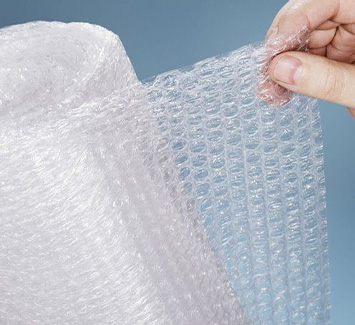
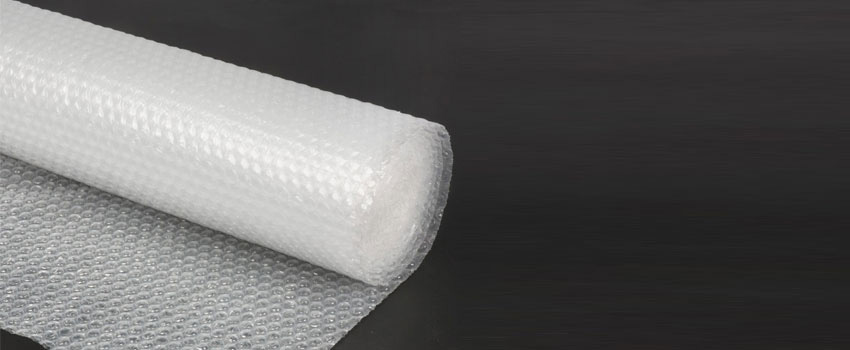
Bubble wrap, the ubiquitous packaging material that has become synonymous with protecting fragile goods during transit, is a staple in the world of shipping and handling. Made of plastic material with regularly spaced air-filled bubbles, bubble wrap provides a cushioning layer that absorbs shock and prevents damage to delicate items. While its primary function may seem simple, the benefits of bubble wrap extend far beyond just protecting items during shipping. In this article, we will explore the various advantages of this essential packaging material and delve into the ways it can be utilized in everyday life.
Beyond its traditional use in packaging and shipping, bubble wrap has a wide range of applications that make it an invaluable tool in various industries. From insulation for windows to stress-relief toys, bubble wrap has proven to be a versatile material that offers numerous benefits beyond its original purpose. By taking a closer look at the unique qualities and advantages of bubble wrap, we can gain a deeper understanding of how this seemingly mundane material can have a significant impact on our daily lives. Join us as we explore the many benefits of bubble wrap and discover the ways in which it has revolutionized the world of packaging and beyond.
The History and Evolution of Bubble Wrap
Bubble wrap, that ubiquitous material used for packaging fragile items, has a fascinating history that dates back to the 1950s. It was created by two engineers, Marc Chavannes and Al Fielding, in 1957 as they were looking for a new wallpaper design. However, their invention took a different turn when they realized the potential of their creation as a packaging material.
Originally named Air Cap, bubble wrap was first marketed to IBM for use as protective packaging for their newly-launched computer systems. The innovative design of the material, with its small air-filled bubbles sandwiched between two layers of plastic film, proved to be highly effective in cushioning fragile items and preventing damage during transit.
In 1960, the Sealed Air Corporation was founded by Marc Chavannes and Al Fielding to further develop and market bubble wrap. The company continued to innovate and improve upon the original design, introducing different variations of bubble sizes and types to cater to a wide range of packaging needs.
Over the years, bubble wrap has become a staple in the packaging industry, known for its versatility, durability, and effectiveness in protecting goods during shipping. It is now used by a wide range of industries, from electronics and pharmaceuticals to food and furniture, as a reliable packaging material.
The evolution of bubble wrap has also seen the development of eco-friendly options, such as biodegradable and recyclable materials, to address environmental concerns and sustainability issues. These eco-conscious alternatives provide the same level of protection while reducing the impact on the environment.
In addition to its practical use in packaging, bubble wrap has also found its way into popular culture and art. Artists and designers have incorporated bubble wrap into their creations, using it as a medium for sculptures, installations, and even fashion designs. Its distinctive texture and popping sound have made it a recognizable and iconic material that resonates with people of all ages.
The widespread popularity of bubble wrap has inspired different uses and applications beyond packaging. From stress-relief toys to insulation materials, the versatile nature of bubble wrap continues to surprise and delight consumers around the world.
Despite the advancements in packaging technology, bubble wrap remains a timeless and essential material for protecting fragile items. Its ability to cushion and safeguard goods during transit, along with its cost-effectiveness and ease of use, make it a preferred choice for businesses and consumers alike.
In conclusion, the history and evolution of bubble wrap is a testament to the ingenuity and creativity of its inventors, as well as the enduring impact of this simple yet effective packaging material. Whether used for practical purposes or artistic endeavors, bubble wrap continues to play a vital role in our daily lives and industries, making it an indispensable tool for protecting and preserving the things we value.
The Protective Qualities of Bubble Wrap in Packaging
When it comes to packaging fragile items, bubble wrap is often the go-to choice for ensuring their safe transportation. This essential packaging material offers a range of protective qualities that make it an indispensable tool in the shipping and handling industry.
One of the key benefits of bubble wrap is its cushioning ability. The air-filled bubbles that give this material its name act as a protective barrier around delicate items, absorbing shock and preventing damage during transit. Whether it’s fragile glassware, electronics, or artwork, bubble wrap provides a layer of defense against the bumps and jostles that can occur during shipping.
In addition to cushioning, bubble wrap also offers insulating properties. The air pockets within the bubbles create a layer of insulation that helps protect items from temperature fluctuations and moisture. This can be particularly important for items that are sensitive to extreme temperatures or humidity, as bubble wrap can help maintain a stable environment during transport.
Another advantage of bubble wrap is its versatility. Available in a range of sizes and thicknesses, bubble wrap can be customized to suit a variety of packaging needs. From small delicate items to large, bulky objects, bubble wrap can be easily tailored to provide the right level of protection for any shipment. In addition, bubble wrap can be used in conjunction with other packaging materials, such as boxes or envelopes, to create a comprehensive packaging solution.
Furthermore, bubble wrap is lightweight and flexible, making it easy to use and handle. Its pliable nature allows it to conform to the shape of the item being packaged, ensuring a snug and secure fit. This flexibility also makes bubble wrap easy to cut, tear, or fold as needed, making it a versatile option for a wide range of packaging applications.
Beyond its protective qualities, bubble wrap also offers cost-effective benefits. Compared to other packaging materials, such as foam or peanuts, bubble wrap is typically more affordable and readily available. Its lightweight design can also help reduce shipping costs, as it adds minimal weight to the overall package.
In conclusion, the protective qualities of bubble wrap make it an essential tool for ensuring the safe transport of delicate items. From its cushioning and insulating properties to its versatility and cost-effectiveness, bubble wrap offers a range of benefits that make it an indispensable packaging material. Whether you’re shipping fragile goods across the country or simply moving items to a new location, bubble wrap provides the peace of mind that your items will arrive safely and intact.
Sustainability and Eco-Friendly Options in Bubble Wrap
In recent years, the conversation around sustainability and eco-friendliness has become increasingly important in all aspects of our lives, including the materials we use for packaging and shipping. As one of the most commonly used packaging materials, bubble wrap has come under scrutiny for its environmental impact. However, advancements in technology and innovation have led to the development of sustainable and eco-friendly options in bubble wrap that are revolutionizing the packaging industry.
One of the major concerns with traditional bubble wrap is its use of plastic, which contributes to the global plastic pollution crisis. While plastic bubble wrap is lightweight, versatile, and provides excellent protection for fragile items, its negative impact on the environment cannot be ignored. In response to this issue, manufacturers have been exploring alternative materials to create sustainable bubble wrap options that are biodegradable, compostable, and recyclable.
Biodegradable bubble wrap is made from materials that break down naturally in the environment, reducing the amount of waste that ends up in landfills. This type of bubble wrap is typically made from plant-based materials such as corn starch or other biodegradable polymers, which decompose over time without leaving harmful residues. Compostable bubble wrap takes this concept a step further, allowing it to be broken down into organic matter that can be used as nutrient-rich soil for plants.
Another eco-friendly option in bubble wrap is recyclable bubble wrap, which can be reused multiple times before being recycled. Recyclable bubble wrap is typically made from recyclable plastics such as polyethylene or polypropylene, which can be melted down and repurposed into new materials. By incorporating recycled content into the production of bubble wrap, manufacturers are able to reduce their reliance on new raw materials and lower their carbon footprint.
In addition to using sustainable materials, manufacturers have also been working to develop innovative designs and manufacturing processes that reduce the overall environmental impact of bubble wrap. This includes creating bubble wrap with smaller bubbles that require less material to produce, as well as using energy-efficient manufacturing techniques to minimize waste and emissions.
Furthermore, the shift towards sustainable and eco-friendly options in bubble wrap has been driven by consumer demand for more environmentally responsible packaging solutions. As more people become aware of the environmental consequences of plastic pollution, they are choosing to support companies that prioritize sustainability and offer green alternatives to traditional packaging materials.
In conclusion, sustainability and eco-friendliness are key considerations in the packaging industry, and bubble wrap is no exception. The development of biodegradable, compostable, and recyclable bubble wrap options is a positive step towards reducing the environmental impact of packaging materials. By choosing sustainable bubble wrap products, businesses can demonstrate their commitment to sustainability and contribute to a healthier planet for future generations.
Creative Uses for Bubble Wrap Beyond Packaging
When we think of bubble wrap, the first thing that comes to mind is its traditional role as a protective packaging material. However, this versatile product has a wide range of creative uses beyond just cushioning fragile items during shipping. Whether you’re looking for a way to entertain your children, add a unique touch to a craft project, or even relieve stress, bubble wrap offers endless possibilities.
One creative use for bubble wrap is as a tool for arts and crafts. Its unique texture and ability to create interesting patterns make it a fun addition to any project. For example, you can use bubble wrap to create custom wrapping paper by painting over the bubbles and pressing them onto a plain sheet of paper. Or, you can use it as a stamp to add texture to your paintings or mixed media projects. The possibilities are endless and only limited by your imagination.
Bubble wrap can also be a great sensory tool for children and adults alike. The satisfying pop of the bubbles can provide sensory stimulation and stress relief. Many therapists even use bubble wrap as a tool in sensory integration therapy for individuals with sensory processing disorders. For children, bubble wrap can be a simple and inexpensive way to keep them entertained for hours on end. Popping bubbles can be a fun and engaging activity that also helps improve fine motor skills.
In addition to its uses in arts and crafts and sensory stimulation, bubble wrap can also be repurposed for practical purposes around the house. For example, you can use bubble wrap as a protective layer to line drawers and shelves to prevent scratching or damage to delicate items. It can also be used as cushioning for storing fragile decorations or ornaments during the off-season. Bubble wrap can even be used as a makeshift insulation for windows in the winter to help keep out drafts and retain heat.
Beyond its practical uses, bubble wrap can also be a fun and unexpected addition to parties and events. Consider using bubble wrap as a unique table runner or place mat for a quirky touch at your next gathering. You can also use bubble wrap as a cushion for outdoor seating to add an extra layer of comfort. For children’s parties, you can create bubble wrap hopscotch or dance floors for an interactive and sensory-filled experience.
In conclusion, bubble wrap is not just a packaging material – it’s a versatile and creative tool that offers endless possibilities for fun, sensory stimulation, practical uses, and even decorative touches. Whether you’re looking for a way to entertain your children, enhance your craft projects, or simply relieve stress, bubble wrap can add a unique and enjoyable element to your daily routine. So the next time you receive a package with bubble wrap, don’t just throw it away – consider all the creative ways you can repurpose it in your home or workspace.
Cost-Effectiveness of Bubble Wrap in Shipping and Storage
Bubble wrap is a packaging material that has been widely used in the shipping and storage industry for its protective qualities. One of the key benefits of bubble wrap is its cost-effectiveness in comparison to other packaging materials.
When it comes to shipping products, protecting them from damage is a top priority. Bubble wrap provides a cushioning layer that helps to absorb shock and prevent items from being jostled around during transit. This protection ultimately reduces the risk of damage to delicate items, saving businesses money in the long run by avoiding costly returns or replacements.
In addition to its protective qualities, bubble wrap is also a cost-effective option for businesses due to its lightweight nature. Because it is lightweight, bubble wrap helps to keep shipping costs down by adding minimal weight to packages. This is particularly important for businesses that often ship large volumes of products, as even small savings in shipping costs can add up over time.
Furthermore, bubble wrap is reusable, making it a cost-effective choice for businesses looking to minimize waste and reduce their environmental impact. After shipping is complete, bubble wrap can be easily stored and reused for future shipments, eliminating the need to constantly purchase new packaging materials.
In terms of storage, bubble wrap is also a cost-effective solution for businesses looking to protect their inventory. When items are stored for extended periods of time, they are vulnerable to dust, moisture, and other environmental factors that can cause damage. Bubble wrap provides a protective barrier against these elements, helping to preserve the quality of stored items and ultimately saving businesses money by extending the lifespan of their inventory.
Additionally, bubble wrap is a versatile packaging material that can be used for a wide range of products, further increasing its cost-effectiveness. Whether shipping small electronics or fragile glassware, bubble wrap can be easily customized to fit the shape and size of different items, providing tailored protection that helps to minimize the risk of damage during shipping and storage.
Overall, the cost-effectiveness of bubble wrap in shipping and storage makes it an essential packaging material for businesses looking to protect their products while also maximizing their budget. With its protective qualities, lightweight nature, reusability, and versatility, bubble wrap offers a cost-effective solution that not only saves businesses money in the short term but also helps to preserve the quality and condition of their inventory in the long run.
Conclusion:
The benefits of bubble wrap as a packaging material extend far beyond its ability to protect items during shipping. Its versatility, cost-effectiveness, and eco-friendly properties make it an essential tool for businesses of all sizes. By taking a closer look at the various uses and advantages of bubble wrap, businesses can maximize its potential and ensure the safe transport and delivery of their products. Incorporating bubble wrap into packaging processes can lead to increased efficiency, reduced costs, and improved customer satisfaction. It is clear that bubble wrap is not just a simple plastic material, but a valuable asset that should not be overlooked in the world of packaging.