
Introduction
Have you ever looked at a tired, old chair and wished you could give it a second chance? Maybe it’s a hand-me-down from a beloved family member, or a charming find at a thrift store. Whatever the reason, you see potential in its worn frame and faded fabric. Chair weaving is a rewarding and a cost-effective way to transform a forgotten piece of furniture into a beautiful and functional statement piece.
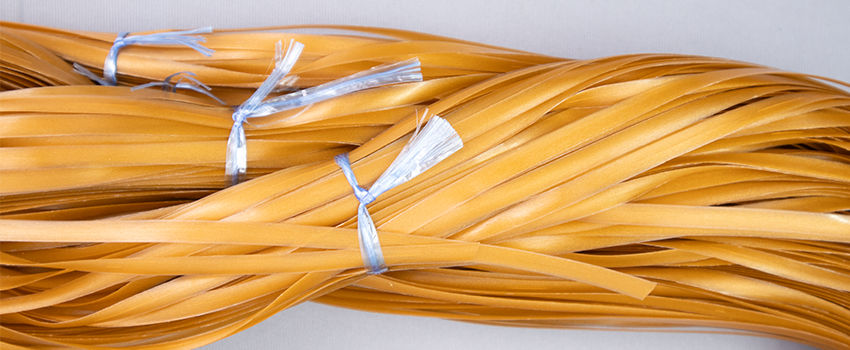
Chair wire, also known as basket weaving wire, is the unsung hero of chair weaving. This thin, flexible, and strong material is used to weave the seat and backrest of chairs, transforming them into pieces of functional art. It typically comes in rolls and is available in various widths and thicknesses.
This blog post dives deep into the world of chair weaving with plastic wire, exploring its potential, materials, techniques, and the benefits it offers.
The Evolution of Chair Weaving Materials
What material is used for chair weaving? This question has prompted artisans throughout history to explore various fibers, from natural rushes to contemporary synthetic alternatives. Each material brings its distinct touch to the furniture, but none as transformative as the modern chair weaving plastic wire.
Understanding Chair Weaving Plastic Wire
So, what is chair wire exactly? Chair wire is the foundational element in the creation of woven chair designs. Not all chair wires are created equal, though. Our comprehensive range includes kattil wire, cane wire, varanda wire, and andra kattil wire—each tailored for specific chair styles and weaving needs.
Pros of Natural Materials:
- Eco-friendly
A sustainable choice as they are renewable resources. - Strength and Durability
Natural materials offer excellent strength and can last for decades with proper care. - Classic Aesthetic
Provides a timeless and elegant look to your furniture.
Cons of Natural Materials:
- Cost
Natural materials can be expensive, especially rattan and high-quality cane. - Moisture Sensitivity
Susceptible to moisture damage if not properly treated. - Skill Level
Requires more practice and skill to work with compared to plastic wire.
Plastic Wire:
Made from: High-density polyethylene (HDPE) or polypropylene (PP). These plastics are known for their strength, flexibility, and affordability.
Pros of Plastic Wire:
- Cost-effective: A budget-friendly option compared to natural materials.
- Readily Available: Easy to find at most craft stores and online retailers.
- Moisture Resistant: Unaffected by moisture, making it suitable for kitchens and humid environments.
- Wide Color Selection: Offers a vast array of vibrant and neutral colors to suit your taste and décor.
- Easy to Work With: Flexible and easy to bend without breaking, making it ideal for beginners.
The Versatility of Plastic Wire in Chair Weaving
Addressing the question, can wire be used to weave chairs—indeed, plastic wire offers a dynamic range of possibilities. Not only can it replace traditional materials, but it also enhances the chair’s durability and aesthetic appeal. Its flexibility allows it to contour to complex shapes, making it ideal for various types of chairs, including Patio chairs, Accent chairs, and Bistro chairs.
Choosing the Best Cord for Seat Weaving
When it comes to selecting the best cord for seat weaving, several factors must be considered. The thickness of our chair wires ranges from 1.8mm to 7mm, ensuring there’s a perfect fit for every project’s needs. Moreover, the adaptability and tensile strength of plastic wire make it a superior choice for both novice weavers and seasoned professionals.
A Kaleidoscope of Colors
Color plays a significant role in chair design. Our chair weaving plastic wire comes in multiple colors, allowing for customization and creativity in your chairs. Whether you’re aiming for a classic look or a contemporary twist, the array of colors available can elevate the design of any chair.
Comparing Rush Materials for Chair Weaving
Historically, natural rush materials have been used in chair weaving, but what happens when you compare them with modern alternatives? Plastic wire not only mimics the look and feel of natural rush but also surpasses it in weather resistance and color stability, making it a preferred choice for both indoor and outdoor settings.
Chair Wires – Crafting Sturdy and Stylish Furniture
Our range of chair wires is meticulously crafted to ensure the construction of sturdy, supportive, and stylish furniture pieces. The unique properties of our plastic wire infuse a unique aesthetic into your creations, while also promising longevity and ease of maintenance. With the strong and flexible nature of our wires, your furniture is not just crafted but engineered for everyday life.
The Durability of Plastic Wire in Chair Weaving
Durability is key in the world of furniture design, especially for pieces that see daily use. The chair weaving plastic wire offers an unprecedented level of strength, ensuring that your woven chairs can withstand the test of time and usage. This material resists wear and tear, maintaining its integrity and appearance long after natural fibers would have succumbed to the elements.
Explore the Possibilities with Us
We invite you to explore the full potential of chair weaving with our top-grade plastic wires. Whether you are restoring a vintage piece, crafting a new collection, or seeking the ideal material for commercial furniture production, our chair wires are here to elevate your craft. Visit our website to view our selection and start weaving your story of style and strength today.
Conclusion
The future of chair weaving is bright with the advent of plastic wire. Its unmatched durability, array of colors, and range of thicknesses make it a superior choice for all weaving projects. By choosing chair weaving plastic wire, you’re not just selecting a material, you’re embracing a legacy of quality and innovation. Start your journey in creating furniture that stands out in both resilience and style.